Blog
Choosing the Right Service Provider for IVF Lab Equipment
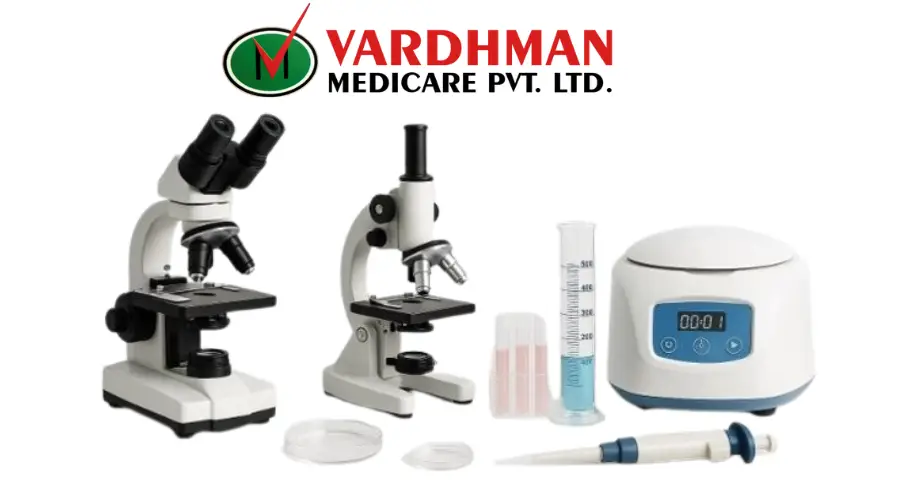
In the delicate and highly specialized world of assisted reproduction, every piece of equipment inside an IVF lab plays a crucial role in ensuring successful patient outcomes. From CO₂ incubators and laminar flow cabinets to micromanipulators and cryopreservation systems, maintaining these high-precision instruments is not optional — it’s vital. But maintenance and servicing are not tasks just any technician can perform. Choosing the right service provider for your IVF lab equipment can be the difference between optimized success rates and costly failures.
In vitro fertilization (IVF) labs rely on highly specialized equipment to create optimal conditions for fertilization and embryo development outside the human body. IVF lab equipment includes devices such as CO₂ incubators for maintaining embryo culture environments, laminar flow workstations to ensure sterile conditions, micromanipulators for precise handling of eggs and sperm, centrifuges for sample processing, and cryopreservation tanks for freezing embryos and gametes.
Here’s a detailed guide to help you make the best choice.
Why IVF Lab Equipment Service Matters
Before diving into what to look for in a service provider, it's important to understand why proper service matters so much:
- Preserving Equipment Accuracy: Minor deviations can significantly affect outcomes in embryology.
- Maximizing Lifespan: Regular service extends the life of expensive equipment, saving you money.
- Ensuring Regulatory Compliance: Accreditation bodies often require proof of regular equipment calibration and maintenance.
- Reducing Downtime: Quick, expert servicing ensures uninterrupted operation, critical for sensitive IVF procedures.
Given these factors, it’s clear that not all service providers are created equal. The wrong choice can compromise patient care, reputation, and financial sustainability.
Key Factors When Choosing a Service Provider for IVF Lab Equipment
Industry Experience and Specialization
The servicing of IVF lab equipment requires a different level of technical expertise compared to general lab equipment. Look for providers who specialize in IVF technologies and have a track record of working with clinics, fertility centers, and embryology labs.
Tip: Ask for references or case studies from other IVF labs they have serviced.
Certifications and Compliance
Any reputable service provider should adhere to standards such as ISO 9001 (Quality Management Systems) or ISO 13485 (Medical Devices).
Additionally, technicians should be trained and certified by the manufacturers of the equipment they service.
Checklist:
- ISO certification
- OEM-authorized service training
- Calibration certificates issued post-service
Comprehensive Service Offering
Choose a provider that offers:
- Preventive Maintenance Contracts (PMCs)
- Emergency Repair Services
- Calibration Services for incubators, microscopes, air quality systems, etc.
- Installation and Commissioning support for new equipment
- Annual Maintenance Contracts (AMCs) with flexible terms
- Equipment validation and documentation for audits and inspections
A "one-stop solution" approach saves time, minimizes miscommunication, and centralizes accountability.
Availability and Response Time
In IVF operations, downtime can directly impact patient treatments. Therefore, your service provider must guarantee fast response times for repairs and support.
Ideally, choose someone with:
- 24/7 emergency support
- Local technicians stationed nearby
- Spare parts availability without long lead times
Ask about their Service Level Agreements (SLAs) and what penalties or guarantees they offer for service delays.
Use of Genuine Spare Parts
Using unauthorized or counterfeit parts can risk equipment performance and even void manufacturer warranties. A trustworthy service provider will commit to using genuine OEM parts during repairs and upgrades.
Always verify this by reviewing their parts sourcing policy.
Customized Maintenance Plans
Every IVF lab is different, based on factors like equipment brands, lab layout, patient volume, and climatic conditions.
An excellent service provider should not offer "one-size-fits-all" solutions. Instead, they should provide:
- Customized preventive maintenance schedules
- Tailored calibration frequencies
- Specific action plans for critical or high-risk equipment
Transparent Pricing
Service costs should be clear, competitive, and transparent. Look for detailed quotations that break down:
- Labor charges
- Spare parts cost
- Preventive vs. emergency service fees
- Any hidden charges (like travel or extra-hour rates)
Also, compare multiple quotes — but remember that the cheapest option isn’t always the safest for critical IVF equipment.
Client Support and Training
Some providers go the extra mile by offering on-site staff training to handle basic troubleshooting and preventive care between service intervals.
Good support also includes:
- Post-service reports
- Recommendations for improving equipment longevity
- Remote assistance or customer support when needed
The IVF field demands precision, consistency, and cutting-edge performance — and the health of your lab equipment is a foundation stone for success.
Choosing the right IVF lab equipment service provider means aligning with a team that understands not just machines, but the delicate miracles they help create every day.
Take your time, ask the right questions, and choose a partner who will care for your equipment — and your clinic’s reputation — as much as you do.